This page will help you quickly understand the positioning and applicable scenarios of different enhancement models to ensure the best results during use. Whether you are processing cinema-grade footage, ordinary videos, anime scenes, or texture details, you can choose the most suitable model according to this guide.
¶ Video Upscaler AI Model
| Scenario | Recommended Model | Reason |
| Film, TV, Professional Footage | Titanus | Top-tier enhancement for professional film material |
| General Footage, Daily Videos | Equinox | Balanced speed and quality |
| Want to Emphasize Texture and Material Feel | Vellum | Enhances detail expressiveness |
| Anime, Cartoon Style | Kairo | Optimizes lines and colors |
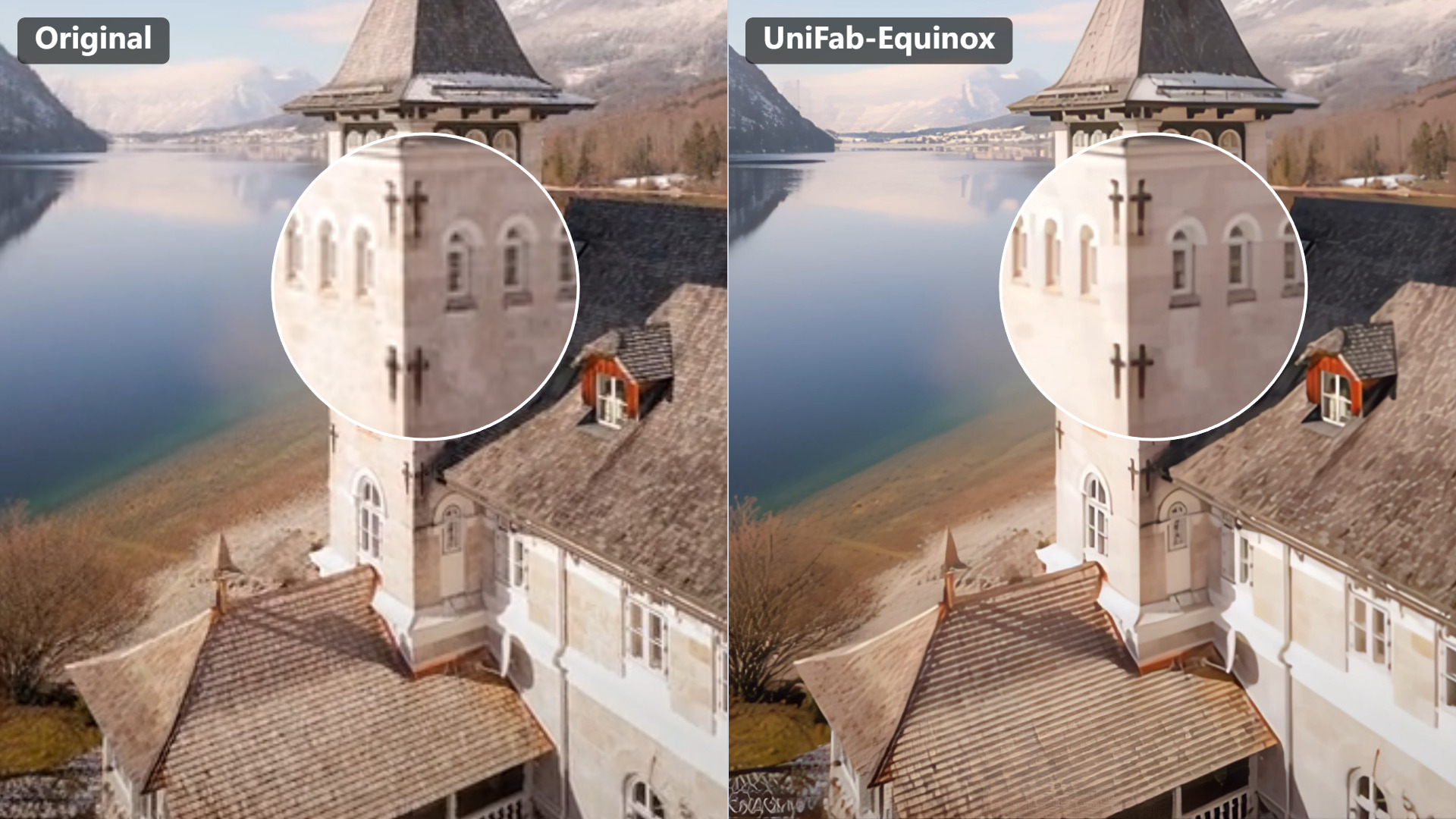
¶ ⚖️ General Enhancement Model —— Equinox
¶ Positioning: Balanced Enhancement Model (General Enhancement Model)
Equinox is a general enhancement model focusing on the balance between speed and quality. It is suitable for various common video contents. Whether it’s daily footage or online videos, Equinox provides stable and reliable enhancement results.
Optional Modes: Fast / High Quality
- Equinox Fast Mode Suitable for users who need quick processing, such as short video production and preview acceleration.
- Equinox High Quality Mode Offers higher image quality and detailed performance, suitable for scenarios that focus more on final presentation.
Applicable Scenarios:
- Daily shot videos (mobile phones / cameras)
- Online videos, short clips, editing material
- Users who want to quickly get good upscaling results
Features:
- Balanced mode: Balances speed and quality
- Enhances image quality for various materials
- Provides reliable enhancement effects for most users
¶ 🪵 Texture Enhancement Model —— Vellum
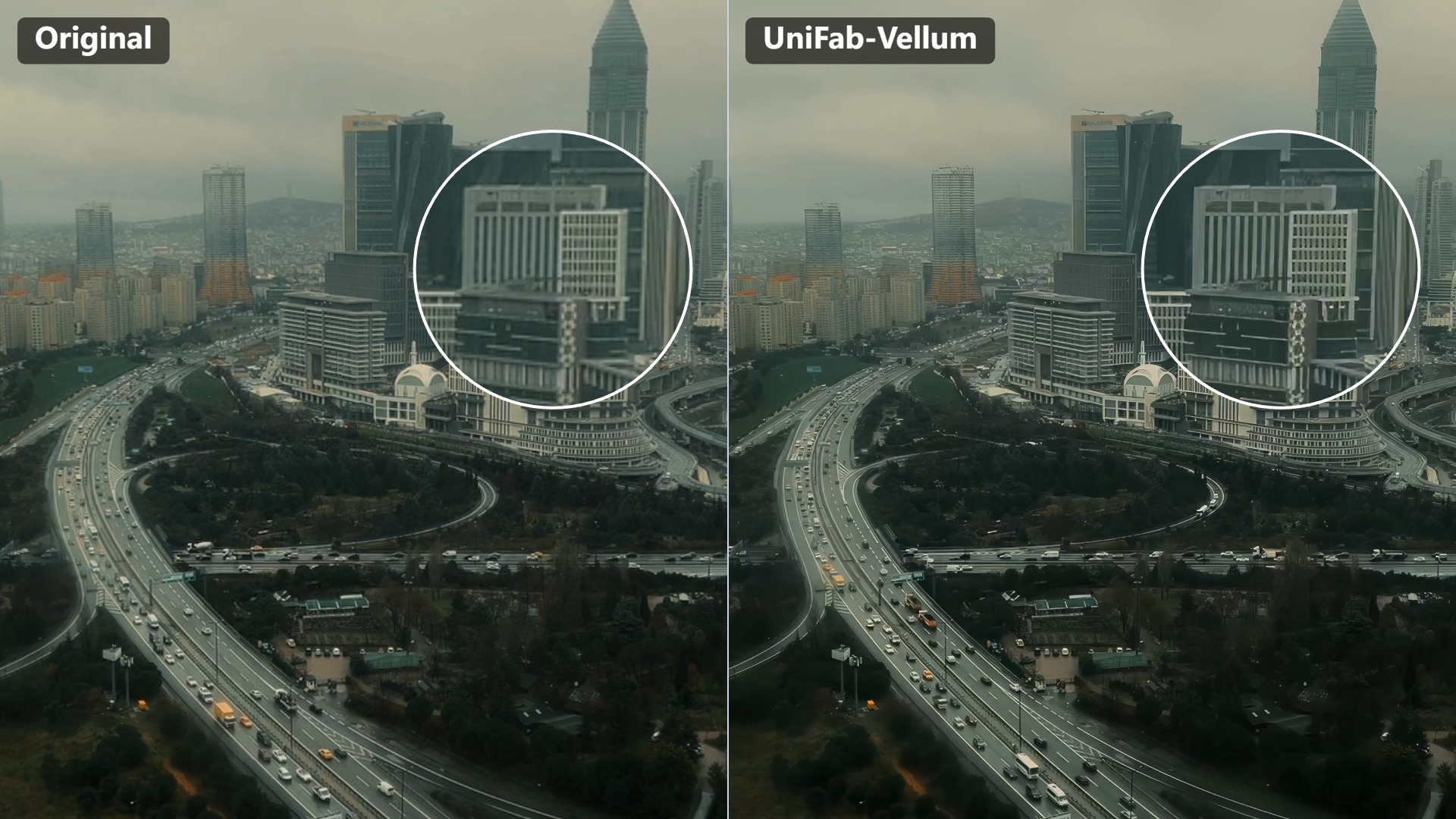
¶ Positioning: Texture & Detail Enhancement Model
Vellum focuses on improving the texture and detail expressiveness of the image. It is suitable for contents that require enhancement of material feel and structure. It makes image details sharper and layers richer.
Applicable Scenarios:
- Details-rich content like architecture, landscapes, object textures
- Users aiming to highlight the “texture feel” of the image
- Texture enhancement for high-definition photography material
Features:
- Emphasizes material and detail
- Enriches image layering
- Makes images more realistic and textured
¶ 🎨 Anime Enhancement Model —— Kairo
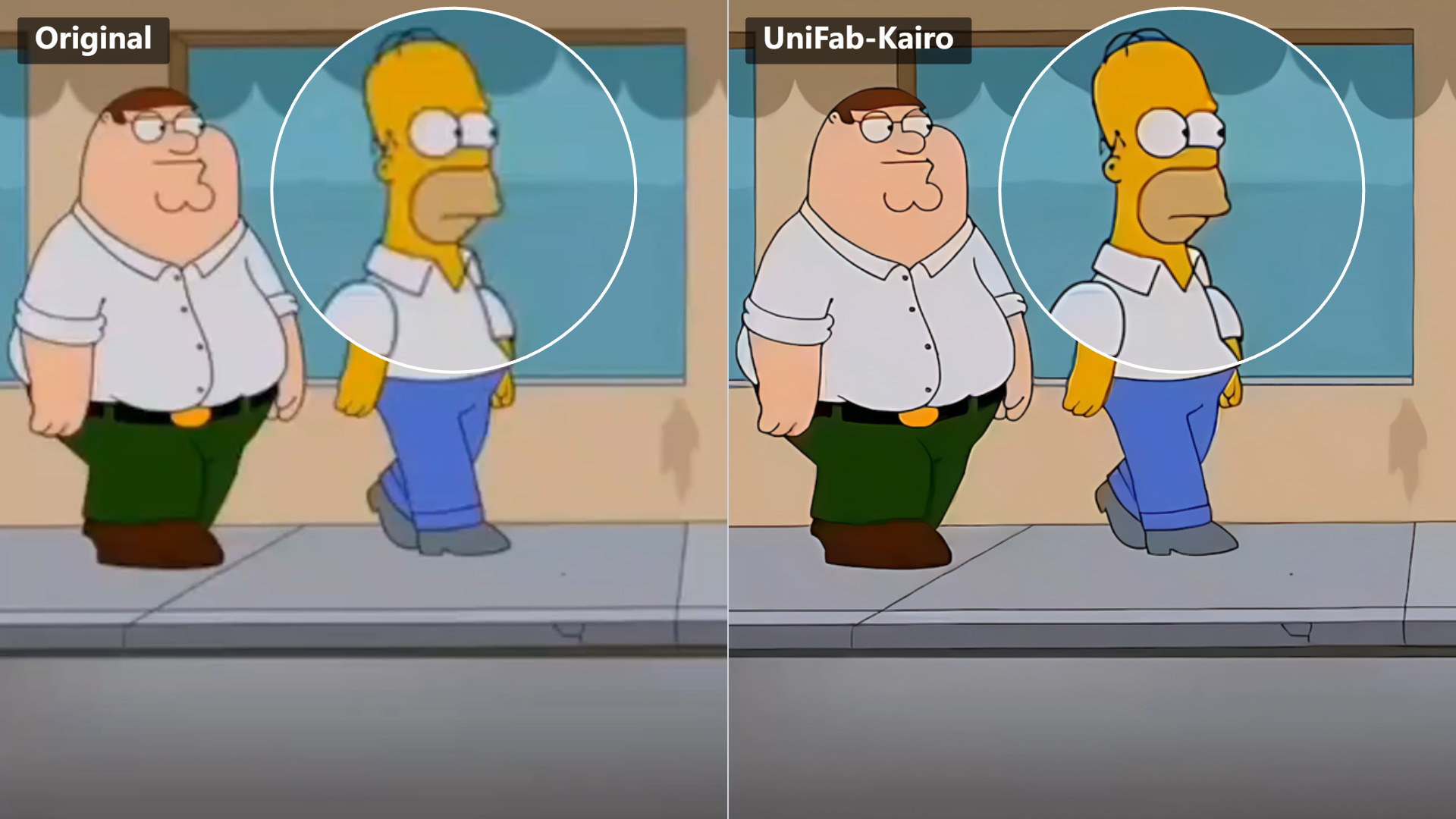
¶ Positioning: Anime & Cartoon Enhancement Model
Kairo is specially designed for anime and cartoon styles. It effectively strengthens color, lines, and detail expressiveness, making anime scenes more vivid, clean, and layered.
Applicable Scenarios:
- Anime, 2D animated videos
- Manga style, illustration style images
- Images that need to emphasize line art and color
Features:
- Enhances the clarity and line sharpness of anime images
- Strengthens color expressiveness
- Retains the unique flat-color style of anime
¶ 🎬 VSR New Model —— Titanus
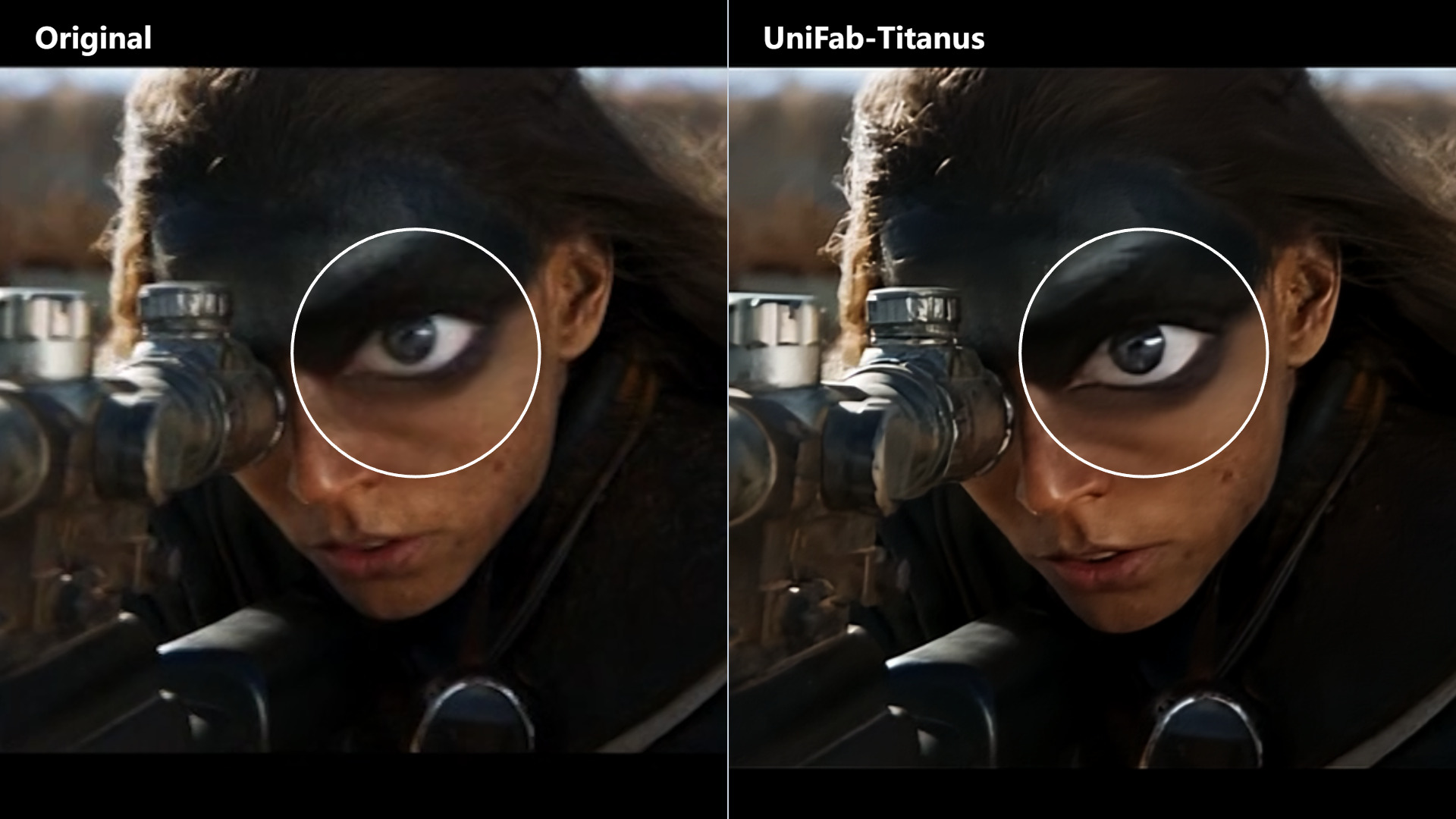
¶ Positioning: Film & TV Enhancement Model
Titanus is an enhancement model specially designed for films, TV shows, and other professional footage, possessing powerful processing capabilities to handle highly complex video content. Whether it’s film negatives, TV originals, or high-resolution camera footage, Titanus can deliver ultimate image quality enhancement effects.
Optional Modes: Ultra-Fast / Fast / High Quality
- Titanus Ultra-Fast Mode Suitable for scenarios requiring very high computing power, providing the fastest output for batch processing large quantities of material.
- Titanus Fast Mode Balances speed and quality for daily processing in film and TV projects.
- Titanus High Quality Mode Focuses on the ultimate image quality, suitable for movie release versions, important scene restoration, and professional workflows demanding the highest detail.
Applicable Scenarios:
- Professional film, TV, documentary footage
- High dynamic range, high noise, complex lighting scenes
- Scenes requiring high-quality detail recovery and light-dark layering
Features:
- Strong computing power optimization tailored to film and TV content
- Outstanding detail restoration ability
- Film-grade enhancement effects with three modes for different production needs
¶ Denoise AI Model
¶ Denoise AI —— Silens
¶ Positioning: Video Denoising Model
Silens is optimized specifically for noise in film and video work, especially suitable for footage shot in low-light conditions with high ISO settings. It effectively reduces noise caused by low-light environments, making the image cleaner, clearer, and more usable.
Optional Modes: Fast Mode / Standard Mode
- Silens Fast (Fast Mode)
- Suitable for scenarios where quick denoising results are required
- Offers higher processing efficiency
- Provides good denoising performance in most scenarios
- Silens Standard (Standard Mode)
- Focuses on achieving higher-quality denoising effects
- More meticulous and natural noise suppression
- Better suited for professional film post-production and important scenes
- Retains more textures and details without over-smoothing
Applicable Scenarios:
- Low-light, night scenes, high ISO videos
- Noisy scenes in films and TV shows
- High-resolution camera footage with noticeable noise
Features:
- Precise denoising to reduce artifacts
- Retains detail without overly blurring the image
- Makes footage cleaner and easier for subsequent processing
¶ Stabilizer AI Model
¶ Stabilizer AI —— Motis (Base Stabilization Mode)
Motis is a basic image stabilization model that can initially suppress shake in videos, allowing the footage to transition from random motion to a controlled dynamic state.
- Suitable for scenarios where basic stabilization is required
- Efficiently suppresses common camera shake
- Transitions footage from chaotic motion to a controllable dynamic state
- Offers low / medium / high stabilization strength levels to meet different stability needs
¶ Stabilizer AI —— Statys(Advanced Stabilization Mode)
Statys is a new generation of high-quality image stabilization model that uses more precise motion modeling and inter-frame constraints to bring the image from a dynamic state to a stable state, significantly improving visual stability and coherence.
- Focuses on achieving higher-quality professional stabilization results
- Uses more precise motion modeling and stronger inter-frame constraints
- Guides footage from dynamic motion into a converged stable state
- Currently provides a single mode, delivering optimal stabilization output
¶ Applicable Scenarios
- Handheld footage with noticeable shake
- Action shots or scenes with large camera movements
- Vlogs, travel videos, and mobile phone recordings
- Film and TV post-production material requiring enhanced stability
¶ Features
- Accurate motion suppression to reduce jitter artifacts
- Retains natural camera movement without excessive rigidity
- Improves temporal consistency across frames
- Produces cleaner and more stable footage for subsequent processing
¶ Deinterlace AI Model
¶ Deinterlace AI ——Fluxor(AdvancedDeinterlace Mode)
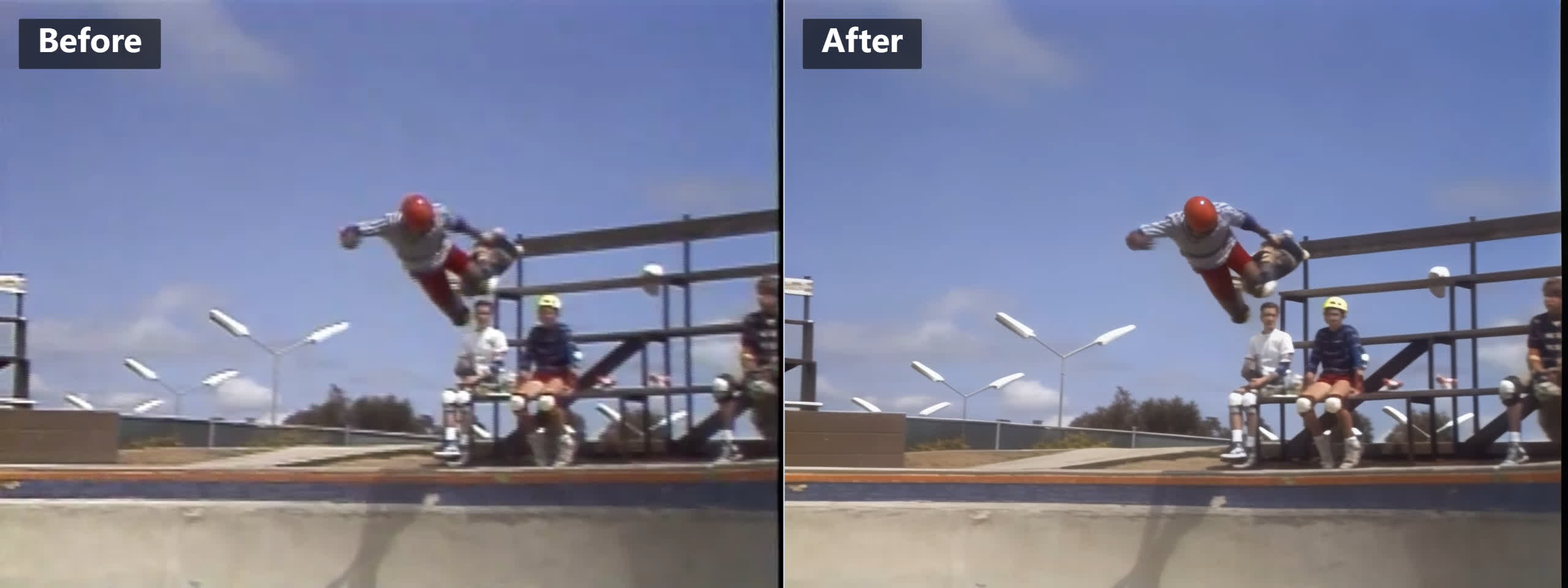
Fluxor is a next-generation deinterlacing model designed for high-quality progressive reconstruction.
With advanced motion analysis and frame reconstruction, it effectively reduces jagged edges, scanline artifacts, and motion ghosting while preserving fine details.
It is especially suitable for sports footage, fast-motion scenes, and high-motion interlaced videos, delivering smooth and natural visuals even in complex scenarios.
¶ Deinterlace AI —— Linea(Base Deinterlace Mode)
Linea is a classic deinterlacing model that provides stable and reliable basic deinterlacing performance.
It reduces common scanline artifacts and jagged edges to convert interlaced footage into smoother progressive video.
It is suitable for general TV sources, documentaries, talk shows, and other videos with relatively moderate motion, meeting everyday video restoration needs.
